Enhanced Mental Health
Reduced feelings of loneliness and anxiety.
Join the Vital Aging Hub community and receive expert insights, holistic health tips, and inspiring stories directly in your inbox. Let's thrive together!
Posted on: 2026-04-23
By: Elena Hartwell
Curious about the profound impact peer support groups can have on the lives of older adults? These groups are not just about sharing stories; they are a lifeline that connects, empowers, and enriches the aging experience.
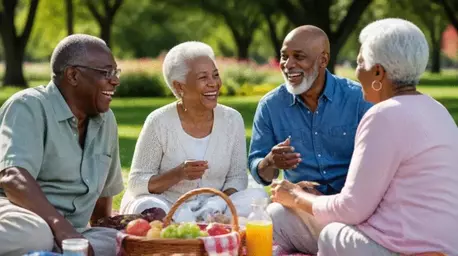
Peer support groups significantly enhance the quality of life for older adults. Below is a visual representation of the benefits and improvements observed.
Reduced feelings of loneliness and anxiety.
More active participation in community activities.
Encouragement to maintain a healthy lifestyle.
Gaining confidence through shared experiences.
Strengthening bonds to face challenges.
Emotional and resource support for those caring for seniors.
As we gracefully navigate the journey of aging, one aspect that stands out is the significance of peer support groups. These groups provide a vital space for seniors to connect, share experiences, and uplift each other. I’ve seen firsthand at the Vital Aging Hub how these connections can profoundly impact well-being, creating a community that fosters both friendship and resilience.
So, what exactly is peer support? It’s a network where individuals with similar experiences come together to offer emotional and practical support. For older adults, this can mean sharing stories about aging, discussing health challenges, or simply enjoying each other's company. In essence, peer support groups serve as a bridge to a richer, more connected life.
Peer support groups are informal gatherings where individuals share their experiences and provide mutual aid. For seniors, these groups can focus on various themes, such as chronic illness management, coping with loss, or even engaging in hobbies. They create a space where everyone feels valued and understood.
Consider these key aspects of peer support groups:
As people age, they may face unique challenges, including health issues and social isolation. Peer support groups play a crucial role by helping to address these challenges. They create a community where older adults can find comfort in knowing they are not alone.
Some of the most impactful roles of peer support include:
Friendship is one of the most beautiful gifts we can give and receive at any age! Building social connections through peer support groups can lead to lasting friendships, reducing the feelings of loneliness that often accompany aging. At the Vital Aging Hub, we emphasize the importance of community engagement to enhance overall well-being.
Here are some ways peer support groups foster friendships:
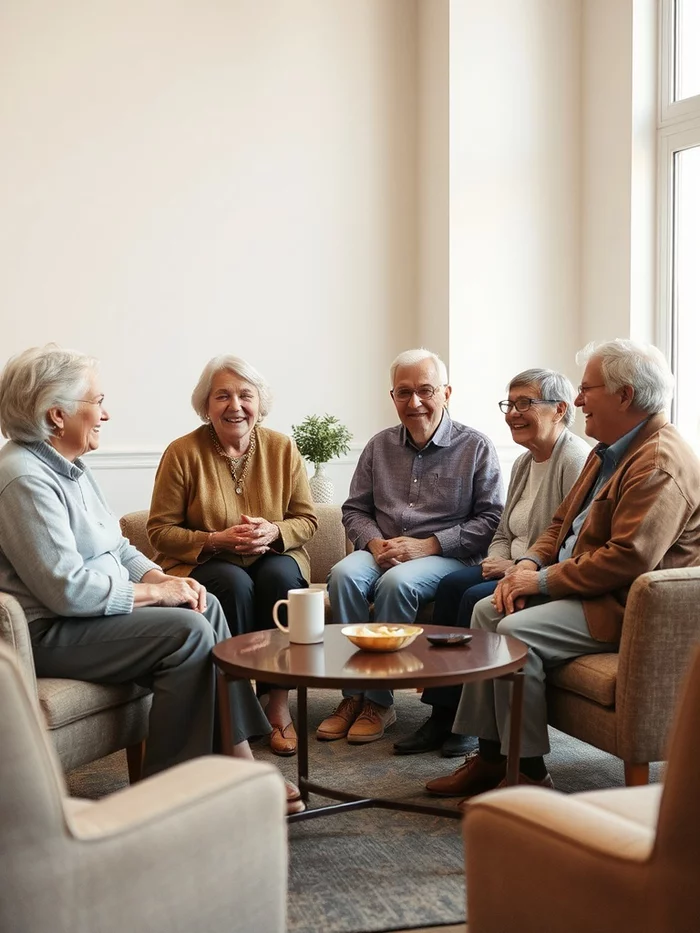
Daily interactions with peers can significantly reduce feelings of loneliness and isolation. Peer support groups provide opportunities for older adults to engage in meaningful conversations. Just imagine sharing a cup of tea while discussing life’s joys and challenges! Such interactions are crucial for emotional health.
Some ways daily interactions can help combat loneliness include:
Peer support groups can be a powerful tool for combating depression and anxiety. By sharing experiences, older adults often find solace in knowing others face similar struggles. This shared understanding can pave the way for healing and hope.
Here are the ways peer support helps:
Discussing mental health openly in peer support groups can help reduce stigma. Many seniors may feel hesitant to talk about their mental health, but peer support creates a non-judgmental space. At the Vital Aging Hub, we promote these conversations to foster understanding and acceptance.
Key benefits of reducing stigma include:
Participating in peer support groups not only enhances emotional well-being but also builds resilience. Facing challenges together strengthens bonds and fosters a sense of belonging. These interactions can lead to a more gratifying and fulfilling life.
Some benefits include:
Peer support can also enhance independence by providing practical assistance. Many older adults struggle with mobility, and having a support network can make a significant difference. Whether it’s running errands together or simply offering a ride, these small acts of kindness can greatly improve daily life.
For instance, peer support can help with:
Peer support groups play a pivotal role in boosting confidence among seniors. When individuals encourage one another to try new activities or step outside their comfort zones, it leads to a more active and vibrant life. Imagine the thrill of joining a dance class or starting a new hobby with friends!
Ways to boost confidence include:
Peer support doesn’t just benefit seniors; it also supports caregivers who often feel overwhelmed. Connecting with others who understand their challenges can provide much-needed relief and resources. When caregivers have a support system, they are better equipped to care for their loved ones and themselves.
Consider these benefits for caregivers:
While peer support groups offer many potential benefits, it's essential to evaluate their effectiveness through research. Some studies show positive outcomes for participants, while others reveal mixed results. This highlights the need for ongoing examination of what makes certain programs successful.
Key areas for evaluation include:
There is a growing call for more research to understand the long-term effects of peer support groups. As we aim for improved quality of life for older adults, understanding these dynamics is crucial. We need to explore how these groups can adapt to remain effective as needs evolve.
Important research areas include:
Ultimately, the goal of peer support groups is to enhance health outcomes and quality of life for older adults. By fostering connections, building resilience, and providing practical support, these groups can significantly improve the aging experience. As we continue to champion the cause of aging well at the Vital Aging Hub, I believe peer support is a cornerstone for thriving in our golden years.
Key potential improvements include:
Did you know that engaging in peer support groups can lead to not just emotional benefits but also physical health improvements? Research indicates that older adults who participate in these groups often experience lower blood pressure and improved immune function. So, joining a peer support group isn’t just good for your mind—it’s also beneficial for your body!
When it comes to the golden years of life, peer support groups can be a true game-changer! These groups offer a unique space where older adults can connect, share experiences, and foster friendships that help enrich their lives. At Vital Aging Hub, we believe that understanding the many benefits of these groups is essential for empowering seniors to thrive.
Curious about how peer support groups can make a difference? Let's dive into some common questions that might be on your mind!
Many people wonder how peer support groups differ from professional therapy. While both approaches offer valuable support, peer groups are built on shared experiences rather than professional expertise. In peer support, the focus is on connection and mutual understanding, where participants can speak from their hearts and learn from one another. It’s about creating a community where everyone feels they belong.
So, what can you expect from a peer support group experience? Here are a few highlights:
By participating, you’ll not only gain support but also contribute to a nurturing environment that fosters growth.
Are you ready to get involved in peer support initiatives? Here are some simple ways to take action:
Investing in peer support is a fantastic way to enhance your quality of life and foster connections that matter. Building trust and communication skills in these groups can lead to lasting friendships and enriching experiences!
As we look to the future of senior living communities, peer support will undoubtedly play a crucial role. Imagine vibrant spaces where older adults can gather, share, and grow together! It’s heartening to think about the potential for these groups to become even more integral to our communities.
Creating a safe space for sharing and personal growth is vital for fostering connections among seniors. At Vital Aging Hub, we advocate for age-friendly communities that prioritize accessibility and promote vibrant social networks. By joining together, we can help ensure that no one feels isolated or alone in their journey of aging.
Let’s continue to support one another, embrace our experiences, and celebrate the joy of connection! After all, the best years are ahead of us when we have a strong community backing us up.
Here is a quick recap of the important points discussed in the article:
Peer support groups are informal gatherings where individuals share their experiences and provide mutual aid, often focusing on various themes such as chronic illness management, coping with loss, or engaging in hobbies.
These groups enhance emotional well-being by providing social interaction, fostering friendships, offering practical support, and facilitating discussions about mental health, thereby reducing feelings of loneliness and isolation.
Yes, by creating a non-judgmental space for open discussions about mental health, peer support groups can help reduce stigma and encourage individuals to seek professional help when necessary.
You can join local community centers, participate in online support groups, volunteer to facilitate discussions, or create a buddy system with friends to check in regularly.
Research shows mixed results about the effectiveness of peer support groups, highlighting the need for ongoing studies to assess their impact on mental health and social connections.