Starting a Senior Neighborhood Group

Posted on: 2026-01-27
By: Elena Hartwell
Creating a senior neighborhood group isn't just about gathering people; it's about fostering connections that enrich lives. What if you could transform your community by simply encouraging seniors to share their experiences and support one another? This article offers essential steps to help you launch a thriving group that meets the unique needs of your community.
What You Will Learn
- The importance of defining the purpose and goals of your senior group to ensure focused activities.
- How to gather input from potential members through surveys and personal interactions to tailor your group’s offerings.
- Strategies for building leadership within the community, including recruiting leaders and setting up specialized committees.
- Ways to engage with local organizations and resources to enhance your group's programs and outreach efforts.
- Methods for measuring success through retention metrics, member feedback, and community collaborations.
- Tips for creating a resource toolkit and encouraging community involvement to sustain engagement and growth.
Key Steps for Organizing a Senior Neighborhood Group
Here are the essential steps involved in creating a successful senior neighborhood group, highlighting the process flows and focus areas.
Identifying Interests
- Activities seniors enjoy
- Transportation needs
- Types of social gatherings
Defining Goals
- Foster friendships
- Organize social events
- Provide health resources
Gathering Input
- Conduct surveys
- Engage in personal discussions
- Feedback mechanisms
Building Leadership
- Recruit from community
- Set up activity committees
- Coordinate efforts
Community Outreach
- Build local partnerships
- Engage local businesses
- Promote events collaboratively
Measuring Success
- Track attendance
- Analyze feedback
- Adjust activities based on input
Essential Steps for Organizing a Senior Neighborhood Group
Starting a senior neighborhood group can be an incredibly rewarding endeavor. It’s all about creating a space where we can connect, share, and support one another as we navigate the golden years. At Vital Aging Hub, I believe community engagement is vital for thriving at any age. So, let’s dive into how to get your group up and running!
Understanding the Purpose of Your Senior Group
To kick things off, it's crucial to understand the purpose of your senior group. What do you want to achieve? By defining this clearly, we create a strong foundation for our activities and initiatives. Think about the unique needs of your community and the kinds of support and social gatherings that could make a difference.
Identifying Interests and Needs in Your Community
Getting to know what interests and needs are present in your community is essential. Consider asking questions like:
- What activities do seniors enjoy the most?
- Are there any specific needs, such as transportation or health resources?
- What types of social gatherings would be beneficial?
By gathering insights from potential members, you can tailor the group’s focus to truly reflect the community’s desires!
Defining Goals for Your Neighborhood Group
Once you've identified the interests, it’s time to set some clear goals. Goals help guide your group’s activities and keep everyone on the same page. Here are a few examples to consider:
- Foster friendships among local seniors.
- Organize regular social events and outings.
- Provide resources and support for health and wellness.
Having these goals in mind will motivate members and create a sense of purpose within the group!
Gathering Input from Potential Members
Next up, let’s gather input from potential members! This is a vital step to ensure everyone feels heard and valued. Engaging your community can take many forms, and I encourage you to get creative!
Conducting Surveys to Gauge Interests
Surveys can be a fantastic way to collect feedback. You could use simple tools like online forms or even paper surveys at local events. Ask questions about:
- Preferred meeting times and locations.
- Interest in specific activities (like gardening or exercise).
- Willingness to volunteer for leadership roles or organizing events.
These insights will guide your planning and ensure that you’re meeting the needs of your members.
Engaging with Seniors for Feedback
Don’t forget the importance of personal interaction! Engaging with seniors directly can provide valuable insights. Consider hosting informal gatherings or coffee chats where individuals can express their thoughts and ideas. This approach fosters a sense of community and encourages participation.
Building Leadership and Structure
Now that you’ve gathered all this wonderful information, it’s time to build some leadership and structure for your group. Having dedicated leaders will help keep everyone organized and engaged.
Recruiting Leaders Among Residents
Look within your community for potential leaders. There are often many talented individuals eager to step up! Consider these roles:
- Event coordinator to plan activities.
- Outreach coordinator to connect with new members.
- Health and wellness advocate to promote healthy living.
By recruiting from within, you tap into the strengths of your community and create a sense of ownership.
Setting Up Committees for Different Activities
Having committees allows for more focused efforts. Each committee can tackle specific areas, such as:
- Social events and gatherings.
- Health and wellness programs.
- Community outreach and partnerships.
Divide the responsibilities, and watch how much more effectively the group can operate!
Community Outreach and Collaboration
Last but not least, let’s talk about community outreach and collaboration. Connecting with local organizations can enhance your group's offerings and create a supportive network.
Engaging Local Government and Organizations
Building relationships with local government and community organizations can be a game-changer. Reach out to:
- City officials for support or resources.
- Health departments for wellness programs.
- Local libraries for educational workshops.
These partnerships can lead to exciting opportunities for your neighborhood group!
Partnering with Senior Centers and Volunteer Organizations
Collaboration with senior centers and volunteer organizations can bring additional resources and assistance. Together, you can:
- Host events that combine resources.
- Share promotional efforts to reach more seniors.
- Provide workshops on health, arts, and crafts.
By working together, you can enhance the experience of your neighborhood group and build a stronger community overall!
Quick Summary
Here's a brief recap of the key points discussed so far:
- Understanding the purpose of your senior group is essential to creating a strong foundation.
- Identifying the interests and needs of your community helps tailor the group's focus.
- Setting clear goals provides motivation and direction for your neighborhood group.
- Gathering input from potential members ensures everyone feels valued and heard.
- Building leadership and structure through dedicated roles enhances group organization.
- Collaborating with local organizations can significantly enrich your group's offerings.
Measuring the Success of Your Senior Neighborhood Group
When we embark on the journey of creating a senior neighborhood group, it’s vital to understand how to measure its success. After all, we want to ensure that our efforts are making a real difference in the lives of our community members. One way to do this is by focusing on retention metrics and member engagement. But how do we effectively track our progress? Let’s explore some practical strategies!
Retention Metrics and Member Engagement
Tracking attendance and participation rates is an essential step in evaluating your group’s success. Regularly checking these numbers can provide valuable insights into how well the group is meeting the needs of its members. If you notice dips in attendance, it might be time to reassess your activities or outreach efforts.
- Use Sign-In Sheets: A simple way to monitor who attends each meeting or event.
- Monthly Reviews: Set aside time at the end of each month to review attendance numbers.
- Surveys: Create short surveys to ask members about their experiences and what they’d like to see improved.
Collecting Feedback for Continuous Improvement
Feedback is a powerful tool for growth! By actively seeking input from your members, you can better understand their needs and desires. Consider using different methods to gather feedback, ensuring everyone feels comfortable sharing their thoughts.
- Anonymous Surveys: These can encourage honest feedback without putting anyone on the spot.
- Suggestion Boxes: Place a box at meetings for members to drop in their ideas.
- Follow-Up Conversations: Reach out to members one-on-one for deeper insights.
Utilizing Community Resources for Improvement
Engaging with community resources can significantly enhance the offerings of your senior neighborhood group. By connecting with local health services and nonprofits, you can provide valuable support to your members. Think about how these collaborations can bring extra value to your group!
Accessing Health Services and Mental Health Support
Health and wellness play a crucial role in our lives, especially as we age. Ensuring that your group has access to health services can be a game changer!
- Health Workshops: Partner with local healthcare providers to offer informative sessions.
- Mental Health Resources: Collaborate with mental health organizations to provide support and resources for emotional well-being.
- Fitness Programs: Invite fitness professionals to lead gentle exercise classes tailored for seniors.
Engaging with Local Businesses and Nonprofits
Building relationships with local businesses and nonprofits opens doors to exciting opportunities! They often have resources, events, or discounts that can benefit your group.
- Local Discounts: Work with businesses to secure special offers for your members.
- Community Events: Collaborate on events that promote both your group and their services.
- Sponsorship Opportunities: Seek out local businesses willing to sponsor group activities.
Taking Action: Launch Your Senior Group Today
Now that we've covered how to measure success and utilize resources, it’s time to take action! Getting your senior neighborhood group off the ground is an exciting journey, and having a solid toolkit will help ensure your launch is successful!
Creating a Toolkit for Immediate Implementation
Providing accessible tools for planning can make all the difference. With the right resources, you can empower your members to take charge and make the group thrive!
- Downloadable Templates: Create templates for planning meetings and surveys to simplify the process.
- Checklists: Share checklists for organizing successful meetings, which can help keep everyone on track.
- Resource Guides: Compile a guide with community resources and contacts that can assist your group.
Encouraging Community Involvement
Involving the wider community can amplify your group’s impact! By creating an environment where everyone feels welcome, you can encourage participation.
Sharing Success Stories and Testimonials
One of the best ways to attract new members is by sharing success stories from current participants. These testimonials can inspire others to join your journey!
- Spotlight Stories: Feature individual stories in your newsletters or on social media.
- Event Highlights: Share photos and outcomes from successful events to showcase what your group offers.
- Member Quotes: Collect quotes from members about their experiences and what they love about being involved.
Inviting Family Members to Participate and Support
Encouraging family members to get involved can strengthen community bonds. When families see the positive impact on their loved ones, they are likely to support your efforts!
- Family Days: Organize events that welcome families to join in on the activities.
- Volunteer Opportunities: Invite family members to volunteer and help out during events.
- Information Sessions: Host sessions for families to learn about the group's mission and how they can support.
Utilizing Communication Platforms for Outreach
Effective communication is key to keeping your members informed and engaged. Utilize various platforms to reach a wider audience and keep everyone connected!
- Email Newsletters: Send regular updates and upcoming event information to keep members in the loop.
- Social Media Groups: Create a private group for members to share updates and connect.
- Community Boards: Use local bulletin boards to post events and invite new members.
At Vital Aging Hub, we believe that community is at the heart of aging well. By applying these strategies to measure success and enhance participation, you can create a vibrant neighborhood group that empowers seniors to thrive. Let’s take action together and make a positive difference in our communities!
Recap of Key Points
Here is a quick recap of the important points discussed in the article:
- Define the purpose of your senior group to create a strong foundation for activities.
- Gather insights on community interests and needs through surveys and personal engagement.
- Set clear goals for your group, focusing on social connections, events, and wellness support.
- Build leadership by recruiting within the community and establishing committees for efficient operations.
- Engage with local organizations for collaboration and resource sharing to enhance your group's offerings.
- Measure success through retention metrics, member feedback, and community resource engagement.
- Create accessible tools and encourage wider community involvement to amplify impact.
Frequently Asked Questions
- What is the purpose of a senior neighborhood group? The purpose is to foster connections among seniors, providing support and enhancing their community experience.
- How can I gather interests and needs from potential members? You can conduct surveys, engage in personal discussions, and use feedback mechanisms to understand their interests and needs.
- What roles are important for leadership in the group? Key roles include event coordinator, outreach coordinator, and health and wellness advocate.
- Why is community outreach important for a senior group? Community outreach helps build partnerships that can enhance the group's offerings and provide additional resources.
- How can success be measured for the neighborhood group? Success can be measured through retention metrics, member feedback, and community resource engagement.
- What tools can help in organizing a senior neighborhood group? Creating downloadable templates, checklists, and resource guides can assist in planning and organizing activities effectively.
 Did you know that community outings can significantly boost the mental and physical health of senior
 Curious about the profound impact peer support groups can have on the lives of older adults? These g
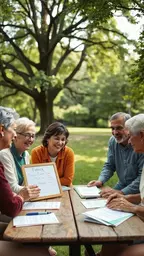 Imagine a community where seniors are not just recipients of services but active drivers of change.