Connecting with Older Adults

Posted on: 2026-01-07
By: Elena Hartwell
Loneliness is a silent epidemic that can have profound effects on the health and well-being of older adults. As research highlights the emotional and physical toll of isolation, it's evident that the path to overcoming loneliness is not just a personal journey but a community effort. What small action could you take today to help bridge the gap between isolation and connection?
What You Will Learn
- Loneliness in seniors can lead to serious health issues, including depression, high blood pressure, and cognitive decline.
- Key causes of loneliness include loss of loved ones, mobility issues, geographical distance, and lack of technology skills.
- Staying connected through regular communication with family and friends is essential for emotional well-being.
- Engaging in community activities and volunteering can help create new social connections and reduce feelings of isolation.
- Exploring online platforms for connection can open new avenues for social interaction, especially in a digital age.
- Adopting a pet can provide companionship and joy, enhancing the quality of life for seniors.
- Practicing mindfulness and therapy can significantly improve mental health and emotional resilience.
- Utilizing available resources and local support services can provide crucial assistance in combating loneliness.
Key Impacts and Causes of Loneliness in Older Adults
Understanding the significant impacts and common causes of loneliness for seniors can help us address this issue effectively.
Impact of Loneliness
- Increased risk of depression
- Higher blood pressure levels
- Cognitive decline over time
- Decreased overall physical health
Causes of Loneliness
- Loss of loved ones or peers
- Mobility limitations that restrict social outings
- Geographical distance from family and friends
- Lack of access to technology or skills to use it
Understanding Loneliness: Insights for Older Adults
Loneliness can feel like an unwelcome companion, especially for older adults. It's crucial to understand how loneliness affects well-being, not just emotionally but physically too. Research shows that seniors experiencing loneliness may have increased chances of developing health issues, such as heart disease and depression. At Vital Aging Hub, we aim to shed light on this important topic and empower seniors to take charge of their emotional health.
The Impact of Loneliness on Seniors' Well-Being
Loneliness does more than just make us feel sad; it can significantly impact overall health. Studies reveal that seniors who feel isolated often struggle with high blood pressure, weakened immune systems, and even cognitive decline. The feelings of emptiness can lead to a cycle of withdrawal, making it even harder to reach out and connect with others. So, what can we do about it?
It starts with recognizing these impacts and understanding that loneliness is not just a personal issue; it’s a community concern. By addressing loneliness, we can foster a healthier, happier environment for everyone. Have you ever thought about how a small gesture, like a phone call or a friendly visit, can brighten someone's day?
- Increased risk of depression
- Higher blood pressure levels
- Cognitive decline over time
- Decreased overall physical health
Identifying the Causes of Loneliness in Older Adults
Understanding the root causes of loneliness is essential to effectively combat it. Many seniors experience isolation due to factors like the loss of friends or family, mobility issues, or living far from loved ones. Sometimes, it’s simply a matter of not having enough social activities available in the community. What do you think are some of the most common reasons for feeling lonely?
Another significant contributor is the lack of technology skills, which can prevent seniors from connecting with others online. If you or someone you know is struggling with technology, don’t hesitate to seek help! Learning to navigate video calls or social media can open up a whole new world of connection.
- Loss of loved ones or peers
- Mobility limitations that restrict social outings
- Geographical distance from family and friends
- Lack of access to technology or skills to use it
Practical Strategies for Overcoming Loneliness
Now that we’ve identified the impact and causes of loneliness, let’s explore some practical strategies to overcome it! At Vital Aging Hub, we believe that connection is key to thriving as we age. Here are some effective ways to strengthen bonds with family and friends, engage in community programs, and leverage online resources.
By incorporating these strategies into daily life, we can create a supportive network that enhances our well-being. After all, it takes a village to cultivate joy and connection!
Engaging Reflection
Have you ever considered how your actions can impact someone else's sense of connection? A simple phone call, a visit, or even a heartfelt message can create ripples of positivity. Reflect on this: What small gesture can you make today to reach out to someone who might be feeling lonely? Share your ideas in the comments below!
Summarizing Effective Approaches to Combat Loneliness
As we reflect on the various strategies to combat loneliness, it’s clear that taking small yet meaningful steps can lead to significant changes in our lives. At Vital Aging Hub, we believe in empowering seniors and their caregivers with practical tools and ideas. Remember, it’s not about making drastic changes overnight, but rather about finding what resonates with you and integrating it into your daily routine!
Here’s a quick recap of some key strategies you can consider:
- Stay Connected: Maintain regular communication with family and friends through calls, messages, or visits.
- Engage in Community Activities: Join local groups, clubs, or volunteer opportunities to meet new people.
- Explore Online Platforms: Use social media or forums to connect with others who share your interests.
- Adopt a Pet: Experience the joy and companionship that pets can bring to your life.
- Practice Mindfulness: Incorporate meditation or therapy into your routine to enhance your mental well-being.
Encouragement to Take Action: Start Implementing Strategies Today
Now is the perfect time to take action! Whether you choose to pick up the phone and call an old friend or join a new class, each step you take is a step toward a more connected and fulfilling life. I encourage you to reflect on the strategies mentioned and think about which ones resonate with you the most. After all, the journey to overcoming loneliness can be both exciting and rewarding!
At Vital Aging Hub, we’re here to support you on this journey. Share your experiences with us, and don’t hesitate to reach out if you need guidance. Remember, you’re not alone in this; together, we can navigate the path toward vibrant, connected living!
Additional Resources and Support for Older Adults
Finding the right resources can make all the difference in tackling loneliness. Here are some helpful links and information to support your journey:
- Online Checklists: Explore checklists that outline steps to connect with others and boost your well-being.
- Infographics: Visual guides that illustrate the impact of loneliness and showcase strategies to combat it.
- Local Support Services: Reach out to services in your area that offer support and community engagement opportunities.
- Hotlines: Keep contact information handy for helplines that provide immediate support for those in need.
Contact Information for Local Support Services and Hotlines
As you seek support, consider connecting with local senior advocacy groups and helplines that can provide additional assistance. They can offer a wealth of resources tailored for older adults, ensuring you have the support you need. Remember, seeking help is a sign of strength, and there are many people and organizations ready to assist you!
Information on Senior Advocacy Groups and Helplines
Here are a few types of organizations you can look for in your community:
- Senior Centers: Offer programs and services specifically designed for older adults.
- Local Nonprofits: Many organizations focus on mental health and social connection for seniors.
- Government Agencies: Reach out to local health departments for resources and assistance.
At Vital Aging Hub, I encourage you to explore these options and take the first step toward a more connected and fulfilling life. Let’s embrace this journey together—because you deserve it!
Recap of Key Points
Here is a quick recap of the important points discussed in the article:
- Understanding Loneliness: Loneliness can lead to serious health issues such as depression, high blood pressure, and cognitive decline in older adults.
- Identifying Causes: Factors contributing to loneliness include loss of loved ones, mobility issues, geographical distance, and lack of technological skills.
- Practical Strategies: Stay connected through regular communication, engage in community activities, explore online platforms, adopt pets, and practice mindfulness.
- Taking Action: Implementing small, meaningful steps can lead to significant improvements in social connections and overall well-being.
- Additional Resources: Utilize local support services, online checklists, and helplines to enhance your journey toward overcoming loneliness.
Frequently Asked Questions
- What are the health effects of loneliness in older adults? Loneliness can lead to serious health issues such as depression, high blood pressure, and cognitive decline.
- What causes loneliness in seniors? Common causes include loss of loved ones, mobility issues, geographical distance from friends and family, and lack of technology skills.
- How can seniors stay connected? Regular communication with family and friends, engaging in community activities, and exploring online platforms can help maintain connections.
- Can adopting a pet help with loneliness? Yes, pets can provide companionship and joy, enhancing the quality of life for seniors.
- Where can I find resources for combating loneliness? Local support services, online checklists, and helplines can provide assistance and community engagement opportunities.
 Did you know that community outings can significantly boost the mental and physical health of senior
 Curious about the profound impact peer support groups can have on the lives of older adults? These g
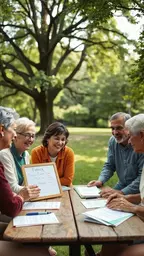 Imagine a community where seniors are not just recipients of services but active drivers of change.